Drugi webinar YOUTH BUILD – Zajedno gradimo psihosocijalnu otpornost
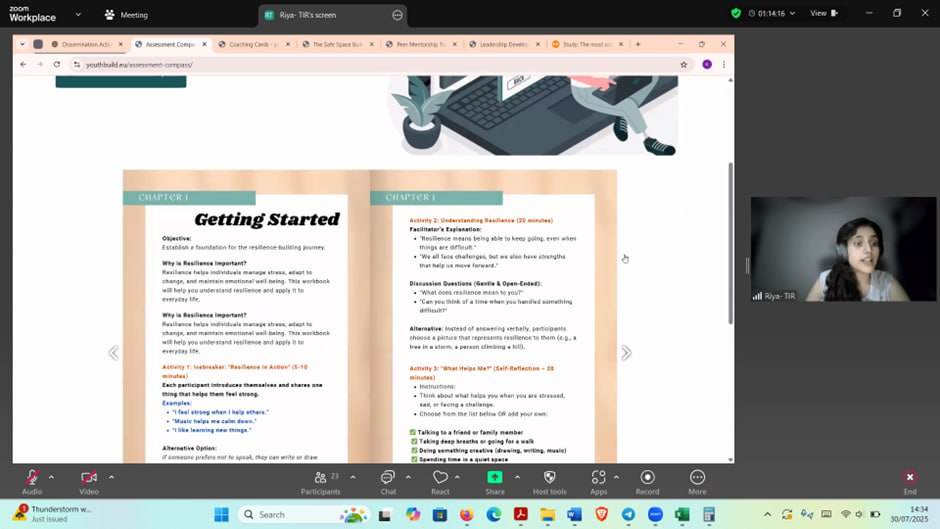
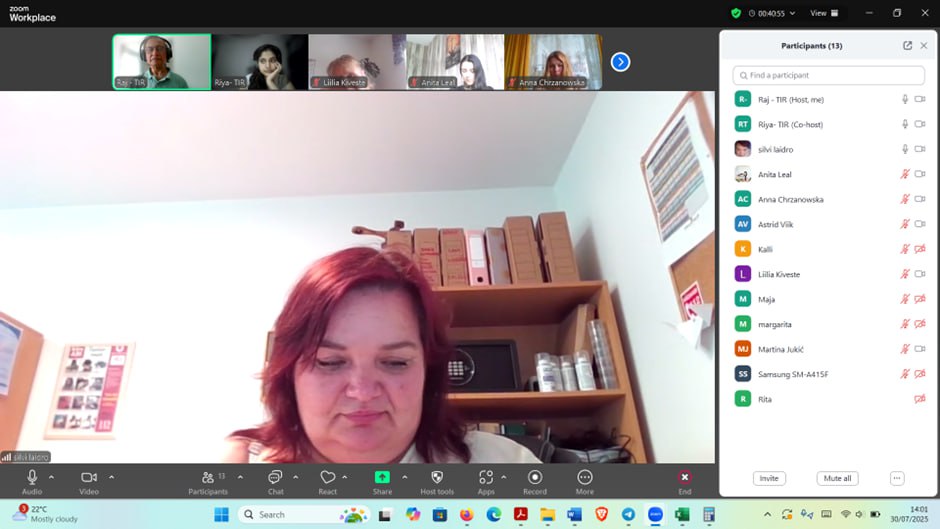
Na 12. kolovoza, mladi radnici, treneri, edukatori, psiholozi i mladi sudionici iz cijele Europe pridružili su se Drugi webinar projekta YOUTH BUILD Erasmus+ i You-Health. Ova sesija usredotočila se na razumijevanje psihosocijalne otpornosti, normalizaciju razgovora o mentalnom zdravlju i uvođenje PROCJENI–IZGRADI–VODI okvir koji vodi projekt.
Sesija je bila interaktivna, praktična i duboko refleksivna, stvarajući siguran prostor za sudionike da podijele stvarne izazove s kojima se suočavaju mladi u različitim europskim kontekstima.
Ciljevi webinara
Sesija se usredotočila na sljedeće ključne ciljeve:
✔ Otkrivanje projekta YOUTH BUILD i You-Health i njegovu misiju osnaživanja ranjive mladeži
✔ Razumijevanje psihosocijalne otpornosti — što je to, zašto je važno i kako se može ojačati
✔ Normalizacija razgovora o mentalnom zdravlju u radu s mladima, školama i zajednicama
✔ Učenje mladih kako prepoznati sigurne odrasle osobe i zatražiti pomoć kada je potrebna
✔ Otvaranje prave rasprave o izazovima s kojima se mladi danas suočavaju — stres, usamljenost, diskriminacija, anksioznost, digitalni pritisak
✔ Objašnjenje okvira PROCJENI-IZGRADI-VODI korišteno u cijelom projektu
Okvir PROCJENA – IZGRADNJA – VODENJE
Tijekom webinara, sudionici su saznali kako projekt YOUTH BUILD podržava otpornost koristeći strukturirani pristup u tri koraka:
1. PROCJENA
Pomozite mladima da shvate sebe.
• Uvod u Kompas za procjenu otpornosti (alat za samoprocjenu)
• Identificiranje emocionalnih, socijalnih, kognitivnih i snaga te potreba za suočavanje s problemima
• Stvaranje sigurnih prostora za refleksiju bez osuđivanja
2. IZGRADNJA
Razviti vještine otpornosti i strategije suočavanja.
• Korištenje Kartice za treniranje temeljene na snagama podržati emocionalno izražavanje, rješavanje problema i optimizam
• Alati za ublažavanje stresa: vježbe disanja, tehnike uzemljenja, vođenje dnevnika i dijeljenje s vršnjacima
• Poticanje pozitivnog identiteta, samosvijesti i izgradnje praktičnih vještina
3. VODITELJ
Osnažiti mlade da poduzmu akciju, podrže druge i predvode promjene.
• Uloge u vođenju mladih, zagovaranju i vršnjačkoj podršci
• Stvaranje prostora u kojima mladi aktivno doprinose, a ne samo pasivno sudjeluju
• Poticanje odgovornosti, donošenja odluka i utjecaja na zajednicu
Razumijevanje psihosocijalne otpornosti
Treneri su istraživali otpornost kao kombinaciju:
Unutarnje snage – emocionalna regulacija, samopouzdanje, rješavanje problema
Vanjski nosači – sigurni odrasli, veze s vršnjacima, zajednica i pripadnost
Zdrave strategije suočavanja – umjesto izbjegavanja, agresije ili izolacije
Sudionici su razmišljali o otpornosti koristeći stvarne scenarije iz svog rada s mladima koji se suočavaju s nezaposlenošću, migracijama, invaliditetom, traumom ili socijalnom isključenošću.
Webinaru se pridružilo više od 25 trenera i mladih radnika iz Estonije, Hrvatske, Poljske, Njemačke i drugih zemalja EU, zajedno s nekoliko mladih polaznika. Atmosfera je bila otvorena, podržavajuća i usmjerena na rješenja.
Ovaj projekt financiran je programom Erasmus+ Europske unije.
Potpora Europske komisije za izradu ove publikacije ne predstavlja odobravanje sadržaja koji odražava isključivo stavove autora, a Komisija ne može biti odgovorna za bilo kakvu upotrebu informacija sadržanih u njoj.